In the contemporary landscape of personal accessories, the boundary between traditional leather goods and digital technology has become increasingly blurred. Ekster, a company that emerged through a successful crowdfunding initiative in 2015, has positioned itself at the forefront of this shift. While many associate the brand with minimalist wallets, a closer inspection reveals a company focused on “smart” carry solutions designed to integrate with a user’s digital lifestyle. This Ekster digital tools review explores how the brand incorporates hardware and software to solve the age-old problem of losing personal items.
Understanding what Ekster is used for requires looking past the leather exterior. The brand’s primary objective is to streamline the daily commute and safeguard physical assets using a combination of mechanical engineering and Bluetooth-enabled tracking.
The Brand’s Role in Smart Carry Solutions
Ekster occupies a niche within the “Smart Carry” category—a segment of the consumer goods market that prioritizes speed, security, and connectivity. Unlike traditional accessory brands that focus purely on aesthetics, Ekster’s role is primarily problem-solving. Their design philosophy centers on two main digital pain points: the time lost fumbling through cards and the anxiety associated with misplacing a wallet or bag.
By integrating tracking technology and RFID-blocking materials into everyday items, the brand acts as a bridge between the physical world of currency/IDs and the digital world of location services and wireless security.
Core Products and Services Offered
While the product catalog has expanded into bags and key organizers, the ecosystem is built around three core pillars:
1. The Trigger-Action Wallet
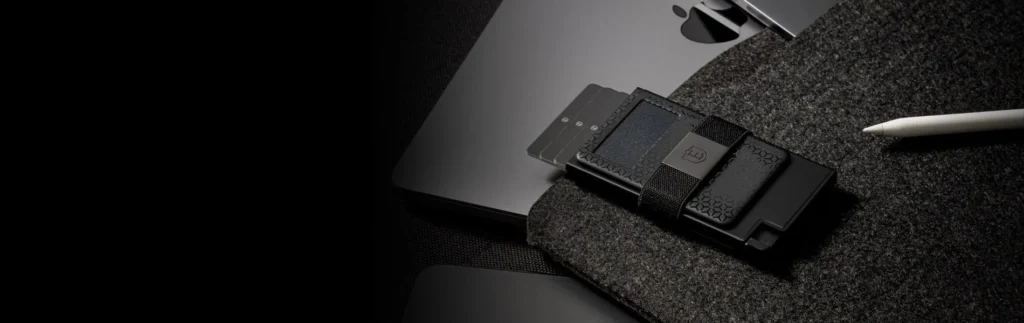
The flagship product line (including the Parliament and Senate models) features a patented mechanical mechanism. With the click of a button, cards are ejected in a tiered fashion, allowing for immediate access without opening the wallet.
2. Tracker Technology
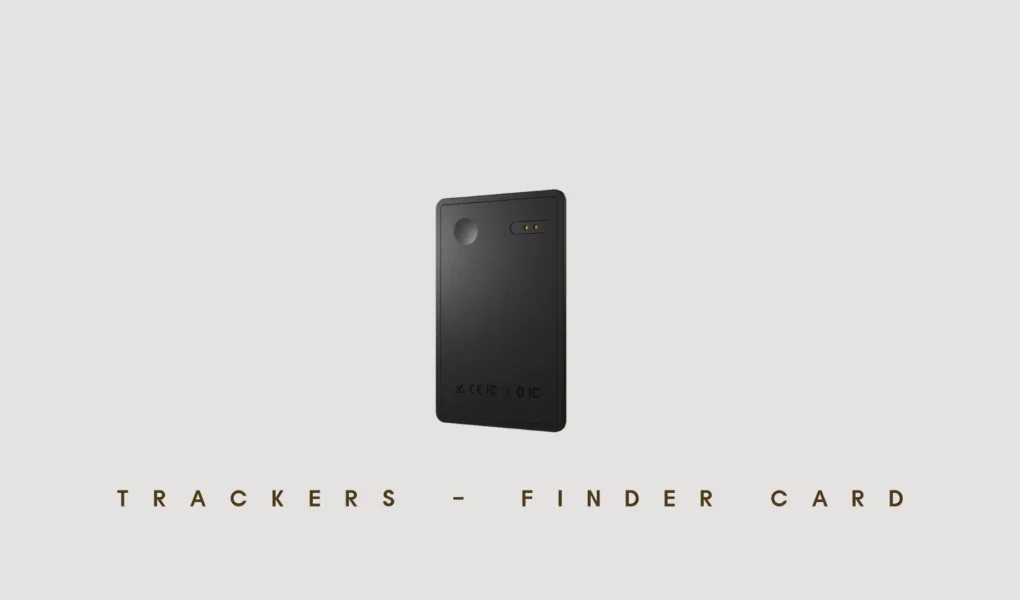
The most “tech-forward” aspect of the brand is the Tracker Card. This is an ultra-slim, solar-powered device designed to fit into a dedicated pocket within their wallets or bags. It tethers the physical item to a smartphone via Bluetooth.
3. Modular Bags and Accessories
The brand has recently moved into “smart” backpacks and laptop sleeves. These products often feature designated power bank pockets, cable management systems, and hidden tracking compartments, reinforcing the brand’s focus on the digital nomad.
Key Features and General Functionality: An Ekster Software Features Overview
The functionality of the hardware is significantly enhanced by its digital integration. In this Ekster software features overview, we look at how the brand utilizes third-party networks to provide global coverage.
- Solar-Powered Hardware: One of the standout technical features of the Tracker Card is its solar charging capability. Unlike many competitors that require proprietary batteries or frequent replacements, three hours of sunlight can provide up to two months of charge.
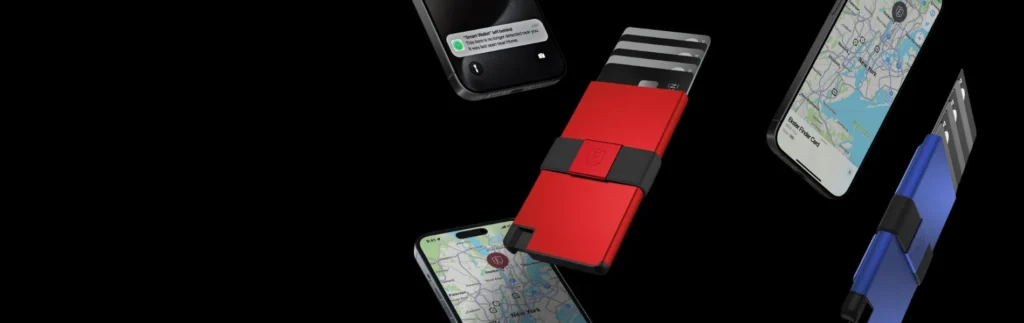
- Crowd-GPS Integration: The hardware utilizes the Chipolo network. If a user loses their wallet outside of Bluetooth range, the “Worldwide Lost and Found” network comes into play. If any other Chipolo user passes by the lost item, the owner receives an anonymous location update.
- Two-Way Paging: The digital tools allow for bidirectional tracking. A user can use their phone to ring their wallet, or conversely, use the button on the Tracker Card to ring their misplaced phone—even if the phone is on silent.
- Voice Assistant Compatibility: The ecosystem is designed to be hands-free, integrating with Google Assistant, Amazon Alexa, and Siri. Users can simply ask their smart home device to “Find my wallet.”
Typical Use Cases: Personal and Professional
The application of these tools varies based on the user’s environment:
- The Daily Commuter: For those navigating public transit, the RFID-blocking technology is a critical security feature. It prevents “electronic pickpocketing,” where malicious actors use scanners to skim data from contactless cards through a person’s pocket.
- The Professional Traveler: Frequent flyers benefit from the slim profile of the gear, which fits easily into front pockets (a more secure location than back pockets). The tracking capabilities provide peace of mind in busy airports and transit hubs.
- The Tech Enthusiast: Individuals who prioritize a “minimalist” lifestyle use these tools to consolidate their carry. The mechanical card access reduces the physical footprint of their daily essentials while adding a layer of digital utility.
Market Positioning and Category Analysis
Within the hierarchy of personal accessories, Ekster is positioned as a mid-to-high-tier “Tech-Cessory” brand. It competes on two fronts:
- Against Traditional Luxury: Where brands like Bellroy focus on leather quality and slimness, Ekster adds a layer of mechanical and digital utility that appeals to a younger, tech-literate demographic.
- Against Tech Competitors: Compared to stand-alone trackers like Tile or Apple AirTags, Ekster’s value proposition is the integration of the tracker into a specifically designed form factor (the ultra-slim card) that doesn’t add bulk to the wallet.
The brand avoids the “gimmick” category by ensuring that even if the digital components were removed, the mechanical utility of the wallet remains high-performing. This dual-utility strategy has allowed them to maintain a strong market position despite the rise of digital wallets and Apple Pay.
Technical Specifications and Official Sources
For users interested in the specifics of Bluetooth 5.0 range, decibel levels of the tracking alerts, or the precise dimensions of the RFID-shielding aluminum chambers, the brand maintains a comprehensive technical database. Detailed specifications regarding battery longevity and water resistance ratings for their trackers can be found through their official support documentation and hardware manuals.
Summary
In summary, Ekster represents a successful evolution of the modern wallet from a passive storage container into an active digital tool. By combining solar-powered tracking technology with precision mechanical engineering, the brand addresses the modern consumer’s need for both physical efficiency and digital security. While the minimalist aesthetic is what often draws users in, it is the integration with the global Chipolo network and voice assistants that provides the long-term utility characteristic of high-quality smart carry gear.
Disclosure: This article is an independent editorial review published for informational purposes. It is not sponsored by, endorsed by, or affiliated with Ekster. All technical descriptions are based on independent product analysis and publicly available specifications at the time of publication.