In the landscape of life-critical technology, few names carry as much historical weight as Dräger. Founded in Lübeck, Germany, in 1889, the company has evolved from a family-run workshop into a global titan of medical and safety technology. As of 2026, Dräger is no longer just a manufacturer of hardware; it has successfully transitioned into a digital solutions provider, utilizing cloud computing, artificial intelligence, and a unified software architecture to support its “Technology for Life” philosophy. This article provides a comprehensive overview of Dräger’s role in the 2026 tech ecosystem and the digital tools that now define its operational excellence.
Overview of Dräger’s Role in Digital Solutions
Dräger operates through two primary divisions: Medical and Safety. In the modern era, the brand’s role has shifted from supplying standalone devices to creating integrated, “smart” environments. In 2026, the company’s digital strategy is anchored by Dräger ONE, an open device connectivity platform designed to enhance system interoperability.
By migrating its core operations to cloud-based platforms like Aras Innovator, Dräger has unified its data management across global locations. This digital transformation allows for real-time fleet management, predictive maintenance, and seamless data synchronization between hospitals and industrial sites. In the tech sector, Dräger is increasingly viewed as an infrastructure partner that provides the “digital nervous system” for high-stakes environments like Intensive Care Units (ICUs) and hazardous industrial zones.
Core Products and Services
Dräger’s 2026 portfolio is a blend of mechanical precision and digital intelligence, categorized by its two main sectors:
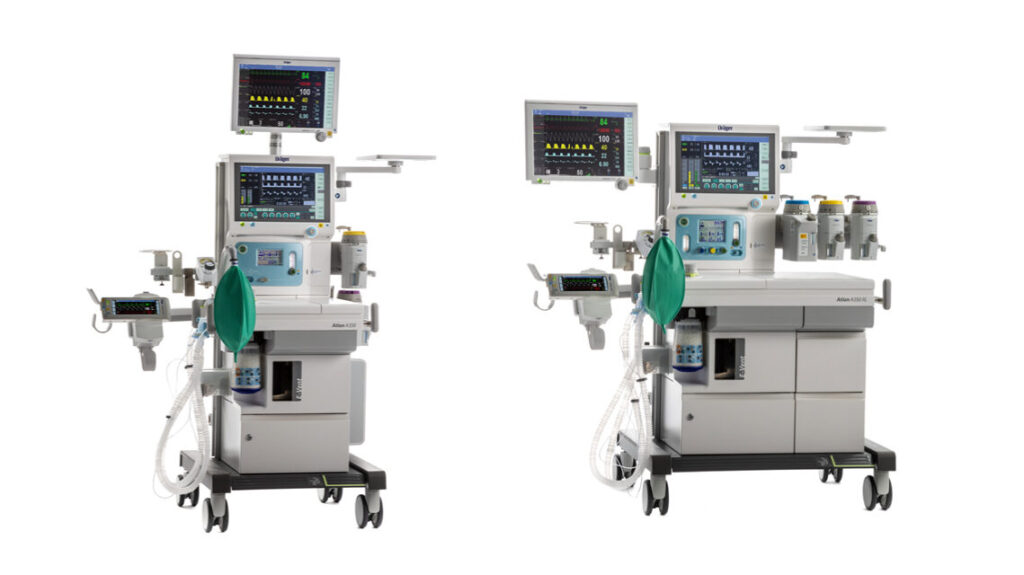
- Medical Technology: The brand is a world leader in acute point-of-care solutions. Key products include the Atlan A350 anesthesia workstations, the Savina and Evita ventilator series, and the Infinity OneNet monitoring systems. They also provide specialized workplace infrastructure, such as ceiling supply units and surgical lights.
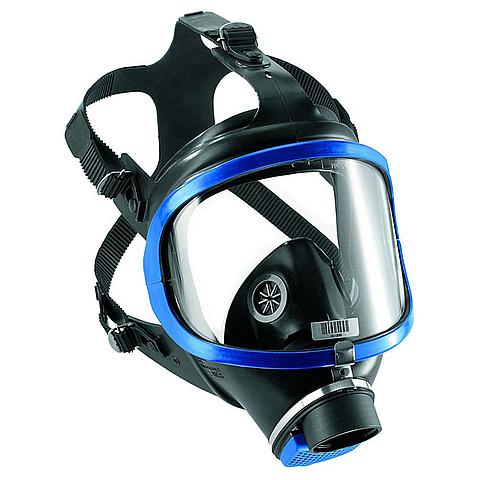
- Safety Technology: This division focuses on protecting people and facilities in hazardous conditions. Core offerings include portable gas detectors (the X-am and Pac series), fixed gas detection systems, and advanced respiratory protection (the PSS 4000 SCBA and X-plore 8000 PAPR systems).
- Testing and Detection: Dräger remains the industry standard for alcohol and drug testing, providing both professional-grade evidential breathalyzers (the Alcotest 7000) and saliva-based drug screening kits (the DrugTest 5000).
Dräger Software Features Overview
A thorough Dräger software features overview for 2026 highlights a shift toward data-driven transparency. The brand’s digital suite is designed to turn raw device data into actionable insights for safety officers and clinical managers.
- Dräger Connect: This is the brand’s central cloud platform for digital health and safety services. It acts as the “hub” for various specialized applications, such as Device Utilization Analytics, which provides a transparent view of an entire fleet’s status, software versions, and usage patterns.
- Alarm History Analytics: Specifically for clinical settings, this tool analyzes the frequency and causes of alarms from Infinity monitors. It helps hospitals implement “alarm management” strategies to reduce staff fatigue and improve patient response times.
- Dräger VOICE: A digital tool that functions as a massive hazmat database. It provides up-to-date information on over 1,700 hazardous substances, recommending the appropriate respiratory filters and gas sensors based on the specific chemical profile of a work environment.
- Dräger add: A modular software solution designed for law enforcement and workplace testing. It digitizes the documentation of alcohol and drug tests, allowing for centralized storage, statistical analysis via heatmaps, and full process compliance.
Dräger Digital Tools Review
A Dräger digital tools review would be incomplete without mentioning the Dräger Academy App. In 2026, this app serves as a mobile educational portal where healthcare professionals can scan QR codes on devices to receive instant tutorials, clinical guidance, and troubleshooting videos at the point of care. This “just-in-time” learning model significantly reduces the risk of operator error in high-pressure situations.
Furthermore, the X-Viz Confined Space Monitoring System represents a pinnacle of their industrial digital tools. It integrates high-definition video monitoring with gas detection data and AI-assisted “attentiveness monitoring” for safety technicians. This allows a single supervisor to oversee multiple hazardous entry points from a remote command center, increasing both safety and operational efficiency.
Typical Use Cases: Personal and Professional
- Healthcare Professionals: Surgeons and anesthesiologists use the OR Companion app within Dräger Connect to check the “live status” of operating rooms and ensure that anesthesia machines have passed their daily automated self-tests before a patient arrives.
- Industrial Safety Officers: In sectors like oil and gas or mining, safety managers use Gas Consumption Analytics to monitor the life of sensors and predict when gas detection fleets require calibration or replacement, moving from reactive to proactive maintenance.
- Law Enforcement: Officers utilize the Alcotest 9510 for evidential breath testing. The digital connectivity allows results to be transferred wirelessly and securely to central databases for legal processing.
- Personal Use: Responsible drivers utilize the Alcotest 4000, a compact, professional-grade personal breathalyzer that offers the same sensor technology used by police but in a simplified, user-friendly format for private use.
Market Positioning
Within the “Tech & Digital” landscape, Dräger is positioned as a premium, high-reliability leader. While consumer-grade technology brands often prioritize speed and aesthetic, Dräger prioritizes regulatory compliance and engineering stability. This has created high barriers to entry for competitors, especially in the medical sector where switching costs are significant due to integrated systems and strict safety standards. As of 2026, Dräger aims for a 10% EBIT margin by 2030, driven largely by its expansion into high-margin digital service agreements and cloud-based analytics subscriptions.
Reference to Official Sources
For technical documentation, software downloads, and specific safety data sheets (SDS), users should refer to the following official channels:
- Official Global Website: draeger.com
- Dräger Connect Portal: draeger.com/en-us_us/Hospital/Drager-Connect
- Dräger Academy: academy.draeger.com
- Software Download Center: Available through the main Dräger support portal for firmware and driver updates.
Summary
Dräger has successfully bridged its 137-year history of mechanical engineering with the requirements of a digital-first world. Through its “Dräger ONE” initiative and the comprehensive “Dräger Connect” cloud ecosystem, the company provides a robust framework for managing both human safety and clinical efficiency. While its hardware remains the gold standard in breathalyzers, ventilators, and gas detectors, its software suite is what now enables organizations to scale their safety and medical operations with 2026 levels of precision and transparency.
Disclosure: This article is an independent informational overview and is not officially affiliated with, sponsored by, or endorsed by Drägerwerk AG & Co. KGaA. All specifications and features are based on public market data and manufacturer documentation as of March 2026. Users should always consult official Dräger manuals and professional safety regulations before operating life-critical equipment.
Would you like me to research the specific cybersecurity protocols Dräger has implemented for its 2026 cloud-based clinical data transfers?