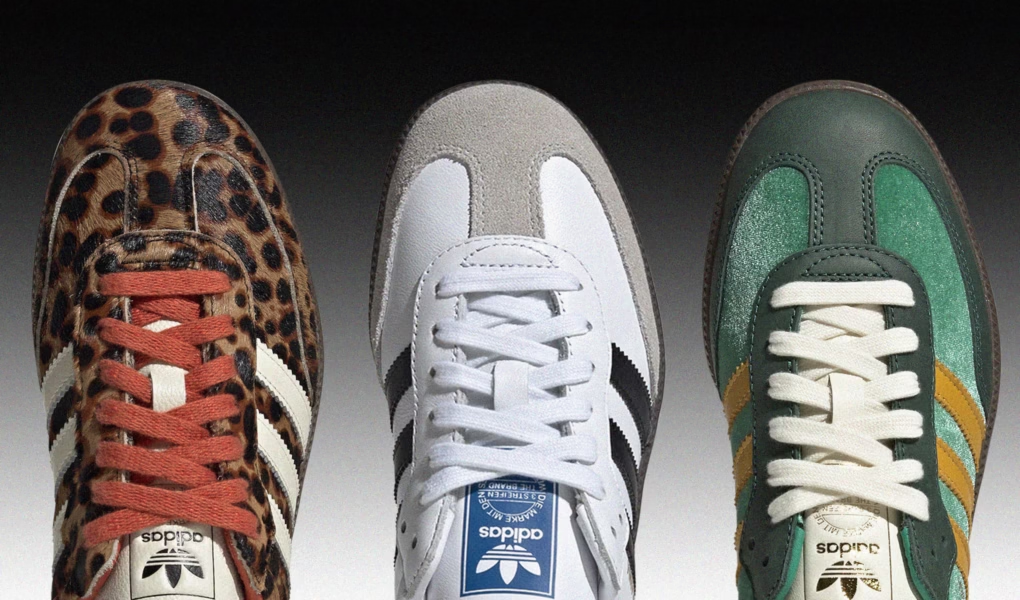
In the global lexicon of style, few symbols are as instantly recognizable as the three parallel stripes of Adidas. What began as a specialized athletic footwear company in a small Bavarian town has evolved into a cornerstone of contemporary culture. In 2026, the brand occupies a unique position where high-performance engineering meets avant-garde street style, creating a fashion identity that is as relevant on a Parisian runway as it is on a local football pitch. This Adidas brand review explores how the label maintains its dominance by balancing archival nostalgia with a future-facing commitment to technical innovation.
The Adidas fashion style is not a singular aesthetic but a diverse ecosystem. It is defined by a “sport-first” mentality that has earned the “cultural permission” to influence broader lifestyle trends. Whether through its minimalist silhouettes or its high-concept collaborations, the brand serves as a bridge between functional utility and expressive self-identity.
The Core Adidas Design Philosophy
The Adidas design philosophy is rooted in the “Power of Three”—a symbolic nod to its logo that represents the intersection of sport, fashion, and culture. In 2026, this philosophy has matured into a sophisticated “system-based” approach. Rather than chasing fleeting trends, the design team focuses on:
- Timelessness through the Archive: A significant portion of the brand’s creative energy is spent revisiting the past. By re-releasing and re-contextualizing silhouettes from the 1960s, 70s, and 80s—such as the SL72 or the Japan—Adidas taps into an enduring love for retro-minimalism.
- Performance-Led Innovation: Technology is never purely ornamental. Features like the Boost cushioning system, Primeknit uppers, and the latest CLIMACOOL+ materials are developed for elite athletes before being integrated into lifestyle apparel.
- Sustainability as a Standard: The brand has moved beyond “capsule” eco-collections. In 2026, the use of recycled polyesters and parley ocean plastics is a baseline requirement, reflecting a philosophy that high-quality design must coexist with environmental responsibility.
An Adidas Clothing Overview: Key Categories
A comprehensive Adidas clothing overview reveals a brand that has successfully segmented its offerings to cater to distinct consumer needs without diluting its core identity.
1. Adidas Originals
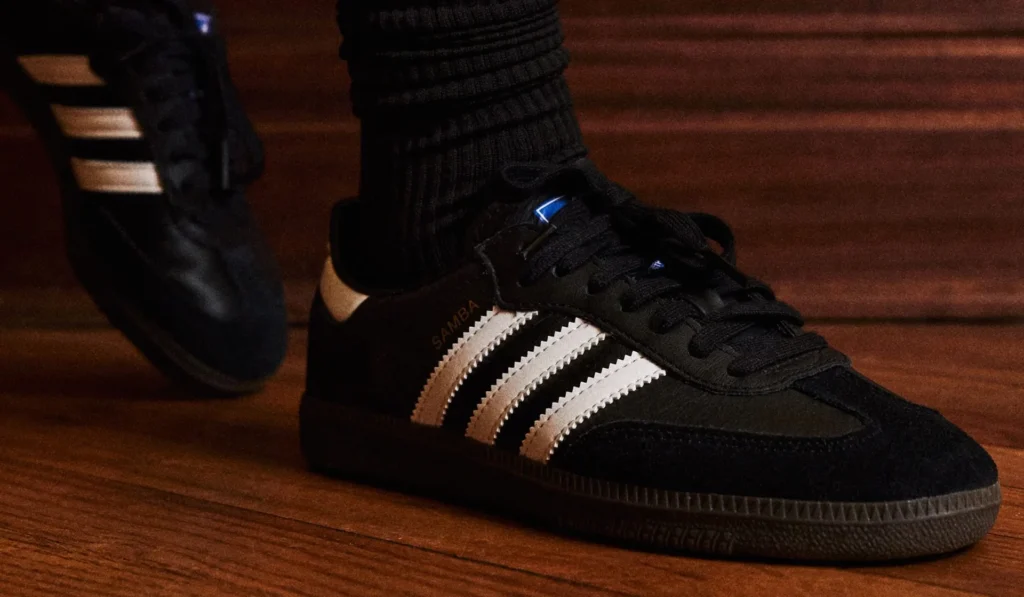
Marked by the iconic Trefoil logo, this category is the heart of the brand’s lifestyle presence. It focuses on “heritage” pieces. In 2026, the focus has shifted toward slim, low-profile silhouettes. The Samba, Gazelle, and Handball Spezial remain dominant, while newer “ballet-adjacent” trainers like the Taekwondo have introduced a sleek, martial-arts-inspired minimalism to the street-style circuit.
2. Performance and Sportswear
This category carries the “Badge of Sport” logo and is dedicated to the athlete. As we approach the FIFA World Cup 2026™, the brand’s football kits have become a centerpiece of its fashion narrative. These jerseys utilize 3D-engineered mechanical stretch fabrics and body-mapping technology, blending national heritage with futuristic aesthetics. The Z.N.E. (Zero Negative Energy) line also continues to be a staple, offering structured, minimalist hoodies and trackpants designed for “pre-game” focus and travel.
3. Collaborations and Y-3
Adidas is arguably the industry leader in the “designer collaboration” space. Through Y-3, its long-standing partnership with Yohji Yamamoto, the brand explores functional luxury and avant-garde proportions. Other recent partnerships, such as those with Willy Chavarria and Entire Studios, have pushed the brand into oversized, sculptural silhouettes that redefine modern “uniform” dressing.
4. Adidas Terrex
Focusing on the outdoors, Terrex combines high-fashion “Gorpcore” aesthetics with extreme functionality. Featuring GORE-TEX linings and Continental™ Rubber outsoles, these pieces are designed for mountain trails but are increasingly adopted by urban dwellers who prioritize durability and weatherproofing.

Style Positioning and Typical Use Cases
One of the strengths of the Adidas fashion style is its extreme versatility. The brand’s pieces are frequently used in “high-low” styling, where athletic staples are paired with formal elements.
- The Modern Office: It is now common to see slim-profile sneakers like the Japan or Gazelle paired with tailored trousers and oversized blazers. This “business casual 2.0” aesthetic prioritizes comfort without sacrificing a polished silhouette.
- Streetwear and Subculture: The brand remains a staple in global youth culture. From the oversized tracksuits of the London grime scene to the “Terrace” fashion of European football fans, the three stripes signify an authentic connection to community history.
- Active Lifestyle: For the “hybrid” worker, the brand’s training onesies and high-performance leggings provide a seamless transition from a morning strength session to a mid-day video call.
Market Positioning: Between Fast Fashion and Luxury
In the 2026 global market, Adidas occupies a “Premium Lifestyle” position. It is distinct from fast-fashion retailers because its value is tied to technical longevity and cultural heritage rather than rapid turnover. While a basic T-shirt may be accessible, the brand’s limited-edition releases and designer collaborations often command prices and resale values that rival traditional luxury houses.
Compared to luxury brands, Adidas offers a form of “democratized cool.” It provides the prestige of high-end design (through Y-3 or Wales Bonner) alongside the reliability of a mass-market athletic brand. This “masstige” positioning allows the company to remain a household name while maintaining an aura of exclusivity for the fashion-forward consumer.
Availability and Brand Channels
As a global powerhouse, Adidas maintains a multi-layered distribution network. While its flagship stores in major capitals like Shanghai, Paris, and New York serve as “immersive brand worlds,” the company has leaned heavily into its direct-to-consumer (DTC) digital model.
The Adidas App and the specialized Confirmed app are the primary hubs for enthusiasts, offering early access to high-heat collaborations and archival re-issues. Additionally, the brand is a staple in premium department stores and curated boutiques, ensuring its presence across all levels of the retail experience.
Editorial Summary
Adidas is more than a sportswear manufacturer; it is a curator of modern identity. By successfully navigating the tension between its 20th-century athletic roots and the demands of 21st-century fashion, it has created a wardrobe system that is both functional and culturally resonant. Whether it is through a sustainable running shoe or a runway-ready satin bomber, the brand continues to prove that three stripes are enough to tell a thousand different stories.
Disclosure: This article is an independent editorial feature intended for informational purposes only. It is not sponsored by, endorsed by, or affiliated with Adidas AG. All observations regarding design philosophy and market positioning are based on independent fashion analysis and publicly available data as of February 2026.


