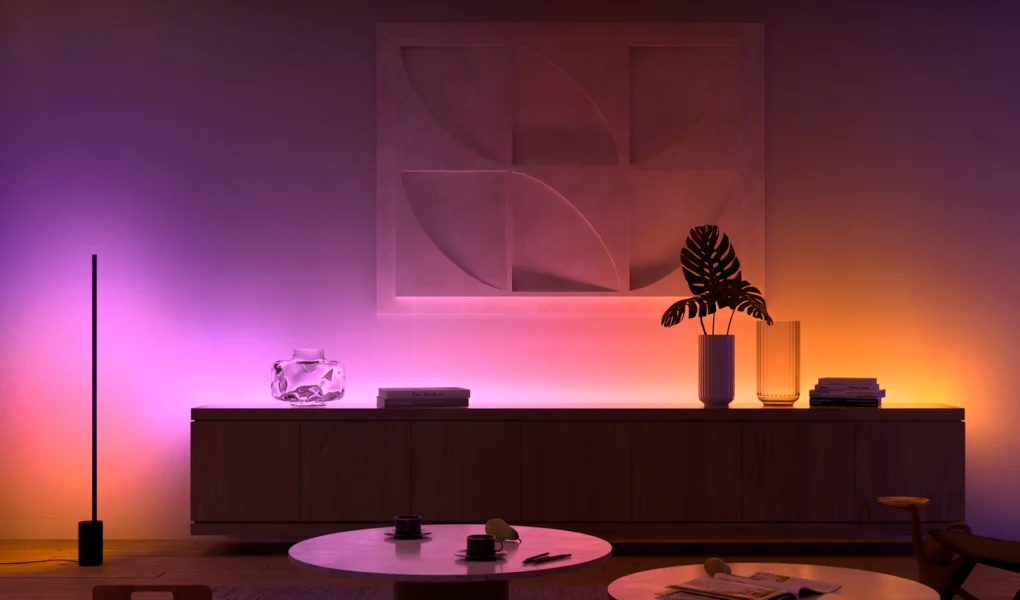
In the landscape of the modern smart home, lighting has transitioned from a basic utility to a sophisticated digital experience. Since its debut over a decade ago, Philips Hue, manufactured by Signify, has remained the benchmark for the “connected ambiance” sector. By 2026, the brand has evolved significantly, moving beyond simple bulb control to offer a comprehensive ecosystem that integrates adaptive lighting, AI-driven automation, and home security. This article provides a technical overview of the current Philips Hue platform, its 2026 innovations, and its role in the contemporary digital home.
Brand Overview: The Role of Philips Hue in Digital Solutions
Philips Hue is more than a lighting brand; it functions as a software-centric hardware platform. While competitors often focus on budget-friendly, standalone Wi-Fi bulbs, Philips Hue utilizes a Zigbee-based mesh network anchored by a central “Bridge.” This architecture allows for ultra-responsive, low-latency control of up to 50 devices per hub without straining a home’s Wi-Fi bandwidth.
In 2026, the brand’s focus has shifted toward “Contextual Lighting.” With the rollout of its 2026 software suite, the system no longer just “turns on” lights; it uses spatial data and artificial intelligence to understand a room’s geometry and the user’s intent. This role in the smart home ecosystem positions Philips Hue as a premium infrastructure provider for those seeking high-reliability automation.
Core Products and Services
The 2026 Philips Hue lineup is divided into four distinct pillars:
- Lamps and Fixtures: This remains the foundation, including the White and Color Ambiance bulbs, Gradient lightstrips (such as the new OmniGlow series), and architectural fixtures like the Ensis or Perifo track lighting.
- The Bridge Pro: Released in early 2026, the Bridge Pro serves as the upgraded brain of the system. It supports “Multi-bridge migration,” allowing users with large installations to manage multiple legacy bridges through a single high-capacity interface.
- Hue Secure: A major expansion for the brand, this line includes wired and battery-powered cameras, contact sensors, and motion sensors. These devices are integrated directly into the lighting system to create a “light-based alarm” ecosystem.
- Accessories: Physical controls such as the Tap Dial Switch and Lutron Aurora provide tactile fallbacks for times when voice or app control is inconvenient.
Key Features and General Functionality
A Philips Hue software features overview for 2026 highlights the transition toward smarter, less manual control.
- SpatialAware Scenes: Launching in Spring 2026, this feature is exclusive to the Bridge Pro. Unlike previous iterations that distributed colors randomly across a group of bulbs, SpatialAware uses the relative position of each light to create realistic, directional lighting. For example, a “Sunset” scene will accurately transition colors from one side of the room to the other, mimicking natural light movement.
- AI-Generated Automations: The Hue app now features a natural-language AI assistant. Users can type or speak prompts such as, “Set a calming routine for my yoga sessions every Tuesday at 6 PM,” and the system will automatically generate the corresponding lighting transitions and timers.
- Hue Secure Integration: The “Security Center” within the app allows lights to flash red or bright white when a camera or contact sensor detects a breach while the system is armed. In Q1 2026, this system gained full Apple Home (HomeKit) support, allowing users to view camera feeds directly on an Apple TV.
- Matter Connectivity: While the Bridge continues to use Zigbee for device-to-device communication, it acts as a Matter bridge, ensuring that Hue lights can communicate seamlessly with any Matter-certified smart home platform from Google, Amazon, or Samsung.
Philips Hue Digital Tools Review
A Philips Hue digital tools review must center on the Hue App (Version 5.63+). The 2026 update has streamlined the user interface, bringing “Automations” directly into the Room and Zone views. This reduces the need to navigate away from a specific room to edit its schedules.
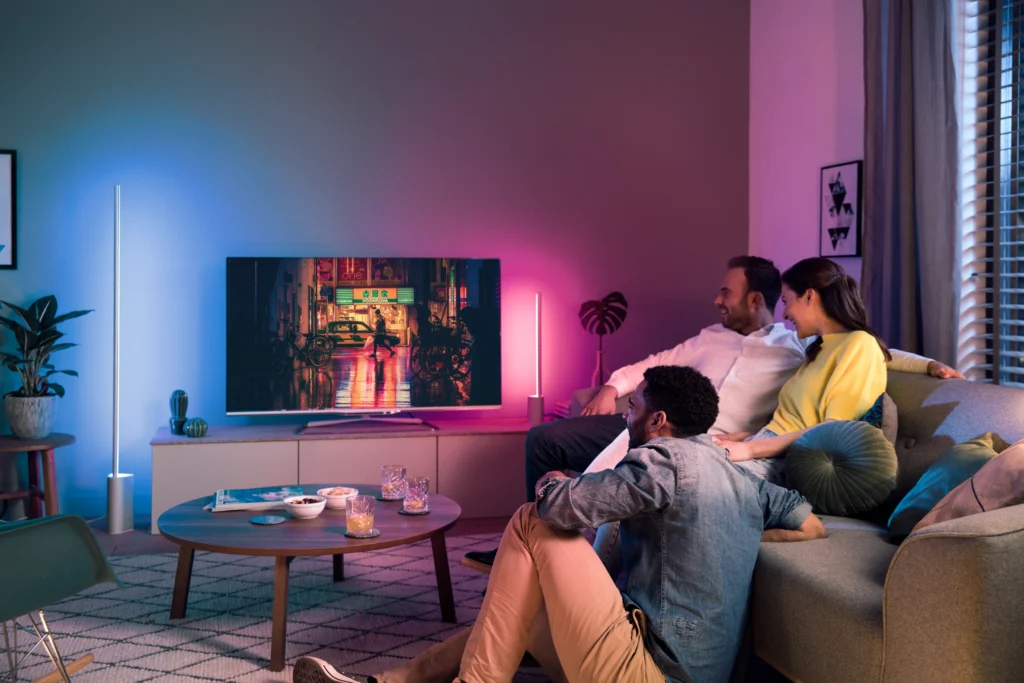
For power users, the Hue Sync Desktop and TV apps (the latter available on newer Samsung TVs) remain essential tools for home cinema. These tools analyze the content on a screen and sync the surrounding Gradient lights in real-time, extending the visual experience onto the walls. Additionally, the Hue AI Assistant has recently expanded its language support to include Spanish, German, and Dutch, making advanced automation accessible to a broader global audience.
Typical Use Cases: What Philips Hue is Used For
Understanding what Philips Hue is used for involves looking at its three primary functional modes:
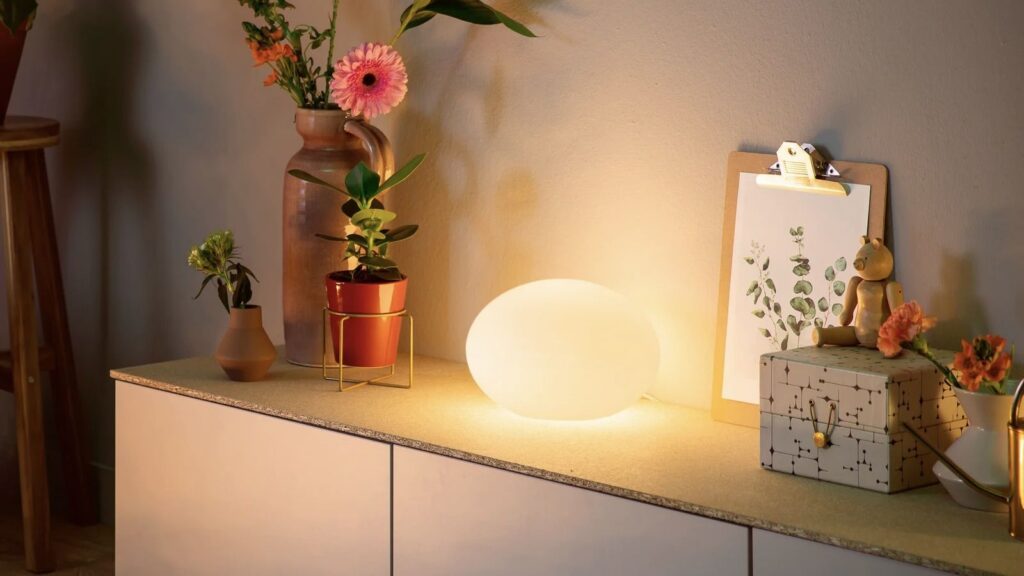
- Personal Wellness and Circadian Support: Many users utilize the “Natural Light” scene, which automatically adjusts color temperature and brightness throughout the day—shifting from energizing blue-white in the morning to warm, sleep-inducing ambers in the evening.
- Entertainment and Immersion: Gamers and cinema enthusiasts use Hue Sync to create an “Ambilight” effect, where lighting reacts to in-game explosions or movie soundtracks.
- Professional and Commercial Security: In office settings or for home security, the “Mimic Presence” automation uses AI to vary lighting patterns, making an empty property appear occupied in a way that is more realistic than a standard timer.
Market Positioning
Philips Hue occupies the Premium High-End of the consumer lighting market. While brands like Govee or Nanoleaf focus on aggressive pricing and flashy “gamified” lighting, Philips Hue prioritizes color accuracy, hardware longevity, and ecosystem stability. With the introduction of the Bridge Pro and SpatialAware technology in 2026, the brand has reinforced its position as the choice for homeowners who view smart lighting as a permanent, high-value investment in their property.
Reference to Official Sources
For specific technical specifications, firmware release notes, and product manuals, refer to the following official resources:
- Official Website: philips-hue.com
- Hue Support Portal: philips-hue.com/support (Manuals and troubleshooting)
- Release Notes: philips-hue.com/release-notes (Detailed logs for Bridge and App updates)
Summary
By 2026, Philips Hue has transitioned from a collection of smart bulbs into a sophisticated spatial intelligence platform. Through the introduction of the Bridge Pro and SpatialAware scenes, the brand has addressed the complexity of large-scale home automation while maintaining the high aesthetic standards for which it is known. While the system requires a higher initial investment than its Wi-Fi-based competitors, its reliability and deep integration with AI and security make it a cornerstone of the 2026 digital home landscape.
Disclosure: This article is an independent editorial review and is not officially affiliated with, sponsored by, or endorsed by Signify or Philips Hue. Information is based on 2026 market data and manufacturer specifications. Always consult official documentation before attempting firmware migrations or electrical installations.